
At Positive Health and Wellness in Amherst, NY, Dr. John Zilliox provides chiropractic care and non-invasive treatment options for many common spine, joint, nerve, and musculoskeletal conditions. Chiropractic care focuses on improving joint motion, reducing irritation, supporting better mobility, and helping the body function more comfortably.
Patients often visit our office for back pain, neck pain, pinched nerves, disc problems, headaches, whiplash injuries, sciatica, arthritis, carpal tunnel symptoms, joint dysfunction, and other conditions that affect everyday comfort and movement.
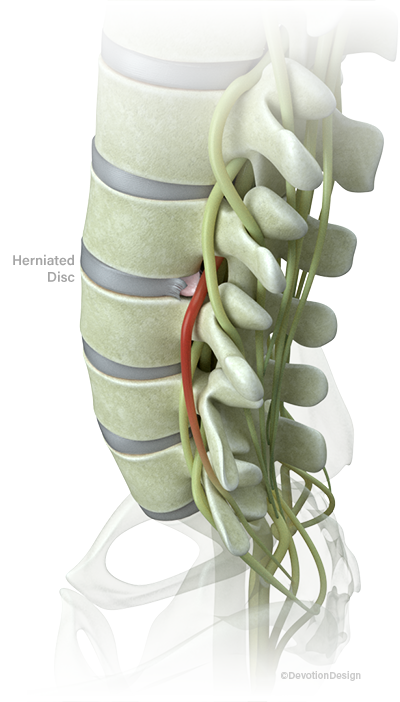
Pain along the spinal column in the neck or back may be caused by restricted joint motion, poor posture, muscle tension, injury, disc problems, inflammation, or nerve irritation. Even small spinal restrictions can contribute to discomfort by irritating nearby joints, muscles, or nerves.
Left untreated, spinal dysfunction may contribute to worsening stiffness, muscle spasms, reduced mobility, and recurring pain. Chiropractic care is designed to help improve spinal joint motion, reduce mechanical stress, and support healthier movement patterns.
If you are experiencing back or neck pain in Amherst, Buffalo, or the surrounding Western New York area, Positive Health and Wellness can evaluate your symptoms and recommend a care plan based on your condition.
When a nerve becomes compressed or irritated, it is often described as a pinched nerve. This may be caused by restricted spinal motion, bulging discs, herniated discs, inflammation, muscle tension, or other structural problems.
Symptoms may include pain, tingling, numbness, weakness, burning sensations, or muscle spasms. The goal of chiropractic care is to identify the contributing cause of nerve irritation and determine whether conservative care may help reduce pressure and improve function.
Intervertebral discs are located between the vertebrae in the spine. These discs help absorb shock, allow movement, and create space between spinal bones. The outside of the disc is made of strong cartilage-like tissue, while the inside contains a softer gel-like center.
Trauma, repetitive stress, poor posture, or age-related changes may cause discs to bulge, herniate, dehydrate, or degenerate. When disc material places pressure on nearby nerves, patients may experience pain, numbness, tingling, weakness, or radiating symptoms into the arms or legs.
If you suffer from neck or back symptoms related to disc problems, you may be a candidate for non-surgical spinal decompression therapy. Spinal decompression may help reduce pressure on discs and nerves while supporting the movement of oxygen, nutrients, and fluids back into the disc.
Rather than relying only on medication, injections, or surgery, many patients seek conservative care options such as chiropractic care, spinal decompression, cold laser therapy, rehabilitation, and other non-invasive therapies.
Headaches can be triggered by stress, fatigue, posture problems, muscle tension, joint restriction, or irritation in the cervical spine. Many headaches are connected to tightness and dysfunction in the neck and shoulders.
With cervicogenic headaches, pain may begin near the base of the skull and travel into the temples, forehead, or behind the eyes. Chiropractic care may help address neck-related joint restrictions, muscle tension, and posture issues that may contribute to recurring headaches.
Whiplash is a common injury associated with car accidents. When the head is suddenly forced backward and forward, the muscles, ligaments, joints, and discs of the neck may be strained or injured.
Whiplash can cause neck pain, stiffness, headaches, shoulder pain, reduced range of motion, muscle tension, and radiating symptoms into the arms or hands. In some cases, symptoms may not appear immediately after the accident and can worsen over time.
Chiropractic care, soft tissue therapy, rehabilitation, and other supportive treatments may help restore motion, reduce irritation, and support recovery after a whiplash injury. If you have been in a car accident, it is important to schedule an evaluation before relying only on medication or waiting for symptoms to resolve on their own.
Arthritis is a joint condition that may cause pain, stiffness, swelling, inflammation, and reduced mobility. It commonly affects the knees, hips, back, neck, hands, wrists, and other joints throughout the body.
When one joint becomes painful or restricted, the body may compensate by changing posture or movement patterns, which can place extra stress on other joints. Chiropractic care may help improve joint motion, reduce mechanical stress, and support better function.
At Positive Health and Wellness, care is focused on the whole body rather than only the painful area. The goal is to help support mobility, function, and overall comfort.
Carpal tunnel symptoms are often associated with repetitive hand and wrist use, especially typing, gripping, or poor workstation posture. Symptoms may include pain, numbness, tingling, weakness, or burning sensations in the hands and fingers.
Because nerves that travel into the hands pass through the wrist, arm, shoulder, and neck, a complete evaluation may include more than the wrist alone. Chiropractic care may be used to evaluate spinal and joint restrictions that may contribute to nerve irritation.
Many patients choose chiropractic wellness care to help maintain better movement, posture, flexibility, and joint function. Regular care may help identify minor restrictions before they become more painful or limiting.
Potential benefits may include improved mobility, better posture, reduced stiffness, greater comfort, and an overall improved sense of well-being. Recommendations vary depending on each patient’s condition, goals, and response to care.
Fibromyalgia is a complex chronic pain condition that may involve widespread discomfort, fatigue, sleep difficulties, headaches, and sensitivity throughout the body. The exact cause is not fully understood, and symptoms may vary from person to person.
While there is no known cure for fibromyalgia, some patients seek chiropractic care and supportive therapies to help manage musculoskeletal discomfort, stiffness, mobility limitations, and overall function. A thorough consultation and examination can help determine whether conservative care may be appropriate.
Joint dysfunction occurs when joints become restricted, stiff, or unable to move through their normal range of motion. It may be caused by injury, poor posture, repetitive stress, overuse, underuse, muscle imbalance, or compensation from another painful area.
Joint dysfunction can cause pain in the affected joint and nearby muscles. It may also lead to discomfort in other parts of the body when movement patterns change to avoid pain.
One common example is sacroiliac joint dysfunction, which occurs where the base of the spine meets the pelvis. It may cause low back pain and can sometimes mimic symptoms of sciatica or a herniated disc.
Sciatica occurs when the sciatic nerve becomes irritated or compressed. Common contributing factors may include bulging discs, herniated discs, spinal joint restriction, inflammation, or muscle spasms.
Symptoms may include lower back pain, buttock pain, leg pain, numbness, tingling, weakness, or radiating pain down one side of the body. Proper diagnosis is important because sciatica can have several possible causes.
Dr. Zilliox can evaluate your symptoms and recommend appropriate conservative treatment options based on the source of your sciatic nerve irritation.
You should consider scheduling an evaluation if pain is limiting your movement, affecting your sleep, interfering with work, causing numbness or tingling, or returning repeatedly despite rest or medication.
Early care may help improve movement patterns, reduce stress on joints and nerves, and support better long-term function.
To schedule a chiropractic consultation in Amherst, NY, call 716-689-3629 or visit our contact page to request an appointment.
What conditions can chiropractic care help with?
Chiropractic care may help patients with back pain, neck pain, headaches, pinched nerves, disc problems, whiplash, sciatica, arthritis, joint stiffness, and certain musculoskeletal conditions.
Can chiropractic care help with neck and back pain?
Chiropractic care may help improve spinal joint motion, reduce irritation, and support better function for patients with certain types of neck and back pain.
Can chiropractic care help a pinched nerve?
A pinched nerve may be caused by joint restriction, disc problems, inflammation, or soft tissue irritation. A chiropractic evaluation can help determine whether conservative care may be appropriate.
Can whiplash be treated with chiropractic care?
Whiplash can affect muscles, ligaments, joints, discs, and nerves in the neck. Chiropractic care and supportive therapies may be recommended after a proper examination.
How do I schedule a chiropractic consultation?
Call Positive Health and Wellness at 716-689-3629 or visit the contact page to request a consultation.
John Zilliox, DC. CDN
1408 Sweet Home Rd. Ste.3 Amherst, NY 14228
©Positive Health and Wellness. All Rights Reserved. | Legal Notes | Privacy Policy