
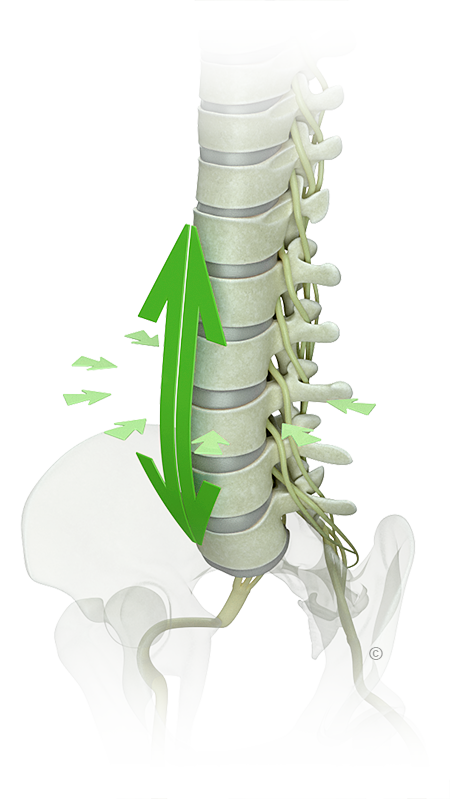
Spinal decompression, also known as non-surgical decompression, is a conservative therapy used to help patients with severe and often debilitating spinal conditions involving the low back or neck. At Positive Health and Wellness in Amherst, NY, Dr. John Zilliox offers Accu-SPINA® spinal decompression therapy for patients seeking non-surgical relief from disc-related back pain, neck pain, sciatica, and nerve compression symptoms.
Back pain from a herniated, degenerated, or bulging disc can change your life in significant ways. In the past, many patients believed surgery was their only option. Today, advanced computerized decompression technology may help reduce pressure on irritated spinal structures and support a healthier healing environment.
Spinal decompression therapy uses computerized technology to create a gentle stretch and relaxation cycle in targeted areas of the spine. The goal is to reduce pressure around affected discs and nerve roots while improving the movement of nutrients, hydration, and oxygen into the disc area.
At Positive Health and Wellness, the computer program is customized by Dr. Zilliox for each individual patient. This allows the treatment to be directed toward specific spinal regions based on symptoms, examination findings, and the patient's condition.
Using state-of-the-art computerized technology and the Accu-SPINA® decompression system, Dr. Zilliox can create controlled decompression cycles in painful areas of the spine. Over time, the gentle separation of vertebrae may create a vacuum-like effect that helps reduce pressure around a herniated or bulging disc.
This negative pressure may help encourage the movement of water, oxygen, and nutrients into the vertebral disc area. These elements are important for disc health and may help support the body's natural healing process.
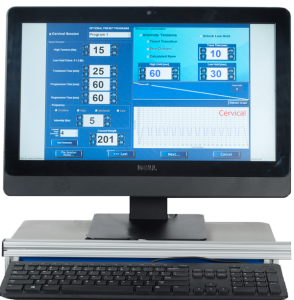
By combining technology with the science of biomechanics, Accu-SPINA® treatment enables clinicians to target individual spinal segments, both lumbar and cervical. This targeted approach gently creates space around injured discs and surrounding structures.
Precise cycling from active to passive tensions allows the Accu-SPINA® system to deliver controlled neuromuscular re-education to spinal structures and surrounding tissues while decompressing and rehydrating the disc.
In technical terms, during treatment, intradiscal pressure may be reduced from positive to negative pressure. This negative pressure may help induce the flow of water, oxygen, and nutrients into the vertebral disc area to support improvement in disc health.
Using the Accu-SPINA® system, IDD Therapy® treatment is designed to provide a highly targeted and comfortable physical therapy session for the patient. This specialized treatment is not basic traction. Traction does not provide the same level of computerized targeting and controlled decompression.
Many common spinal conditions may be addressed with non-surgical decompression therapy. These include disc herniation, bulging discs, sciatica, degenerative disc disease, spinal stenosis, and chronic back or neck pain related to disc pressure or nerve irritation.
Because each patient is different, a consultation and examination are necessary to determine whether spinal decompression may be appropriate.
Fig.1
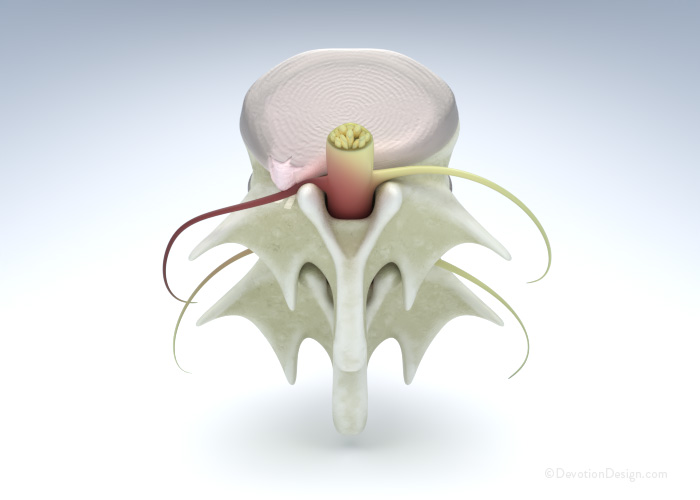
A herniated disc occurs when the gel-like center of a disc pushes through a weakness in its outer wall. When this happens in the lower back, it may irritate or compress nerve roots and contribute to sciatica.
Fig.2
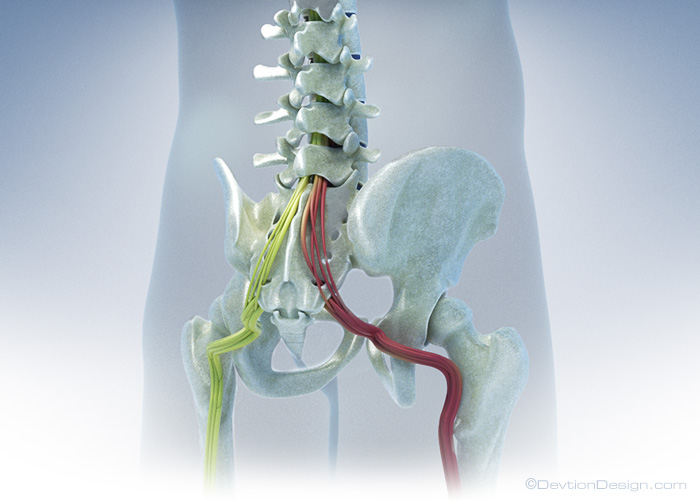
Sciatica occurs when the sciatic nerve is irritated or compressed. Pain may travel from the lower back into the buttock, thigh, calf, or foot.
Fig.3
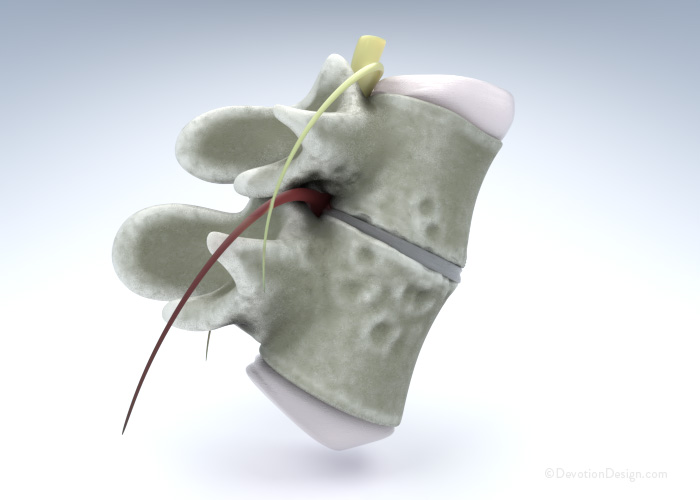
Degenerative disc disease is the natural wear down of spinal discs. As discs lose height, nerve passageways may narrow and create pressure around spinal nerves.
Fig.4
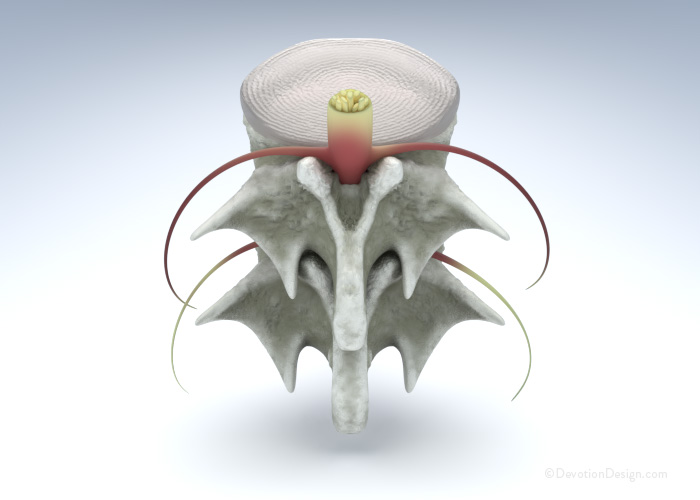
Spinal stenosis is the abnormal narrowing of the spinal canal. This can reduce space for nerves and may contribute to pain, numbness, tingling, or weakness.
Many patients choose spinal decompression because they are looking for a conservative treatment option before considering surgery, injections, or long-term medication use. Spinal decompression is designed to be comfortable, controlled, and customized to the patient's condition.
Spinal decompression may be appropriate for patients suffering from disc-related back pain, neck pain, radiating arm or leg pain, sciatica, numbness, tingling, or weakness related to spinal nerve irritation. It may also be considered for patients who want to explore conservative options before surgery.
Patients with certain conditions may not be candidates, which is why an evaluation is important. Dr. Zilliox will review your health history, symptoms, and examination findings before recommending spinal decompression therapy.
Surgical decompression is performed under anesthesia by medical professionals using instruments to cut through skin and tissue with the intent to remove disc material, bone growths, or parts of the vertebrae that may be causing nerve pressure. In some cases, spinal hardware may be used to stabilize the spine afterward.
Non-surgical spinal decompression does not involve incisions, anesthesia, or surgical removal of tissue. Instead, the treatment uses computerized decompression to gently reduce pressure around targeted spinal structures.
During spinal decompression therapy, patients typically relax comfortably on the decompression table while the computerized system delivers a customized treatment protocol. The treatment is designed to create controlled cycles of decompression and relaxation.
Each patient's plan may vary depending on the condition being treated, symptom severity, and response to care. Dr. Zilliox will explain your recommended treatment schedule during your consultation.
Stop living with chronic back pain!
We can help!
Please call 716-689-3629 or enter your information below.
Spinal decompression therapy is a non-surgical treatment designed to gently stretch and relax targeted areas of the spine. It may help reduce pressure on discs and nerves associated with back pain, neck pain, herniated discs, bulging discs, sciatica, and spinal stenosis.
Spinal decompression uses computerized technology to create controlled cycles of gentle decompression. This may help reduce disc pressure and support the movement of water, oxygen, and nutrients into the disc area.
No. Spinal decompression is more targeted and computerized than basic traction. The Accu-SPINA® system allows treatment to be customized and directed toward specific spinal segments.
Many patients seek spinal decompression for disc-related conditions such as herniated discs, bulging discs, and sciatica. A consultation is needed to determine whether spinal decompression may be appropriate for each patient.
©Positive Health and Wellness. All Rights Reserved. | Legal Notes | Privacy Policy