
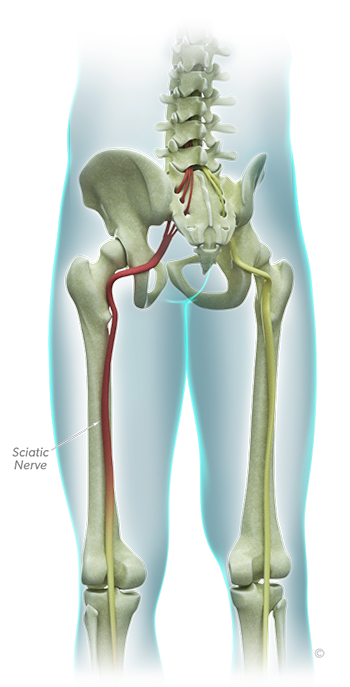
Sciatica pain occurs when the sciatic nerve is irritated, pinched, compressed, or inflamed in the lower back. The sciatic nerve is the longest nerve in the body, traveling from the lower spine through the hips, buttocks, and down each leg. When this nerve is affected, pain may travel from the lower back into the buttock, thigh, calf, or foot.
At Positive Health and Wellness in Amherst, NY, Dr. John Zilliox provides non-invasive treatment options for sciatic nerve pain, lower back pain, herniated discs, bulging discs, degenerative disc disease, and spinal stenosis. The goal is to identify the source of the nerve irritation and provide conservative care designed to help reduce pain, improve mobility, and support better function.
Sciatica pain varies from person to person. Some patients describe the pain as sharp, shooting, or electric-like. Others describe a dull, burning, aching, or radiating pain that travels down the leg. Symptoms may come and go, or they may remain constant depending on the severity of nerve irritation.
Although the source of sciatica often begins in the lower back, the pain is usually felt most strongly in one leg or the other. In some cases, sciatica may also cause numbness, tingling, weakness, or difficulty standing, walking, or sitting comfortably.
The most common cause of sciatica is a herniated or bulging disc that applies pressure to a nerve root in the lower back. However, several spinal and musculoskeletal conditions may contribute to sciatic nerve irritation.
Sciatica may develop after an injury, repetitive strain, long periods of sitting, spinal degeneration, or changes in the discs and joints of the lower back. Because the symptoms can come from different causes, an examination is important before beginning treatment.
When you are in pain, getting the right treatment matters. At Positive Health and Wellness, Dr. Zilliox designs care plans that focus on your specific sciatic nerve condition. We offer therapies designed to relieve sciatica pain non-invasively without surgery or long-term dependence on pain medication.
Treatment recommendations may include non-surgical spinal decompression, chiropractic care, core strengthening, cold laser therapy, and other conservative pain-relieving therapies. Your care plan will depend on your condition, symptoms, examination findings, and health goals.
Our goal is to address the source of sciatic nerve pain so you can sleep more comfortably, move more freely, and return to a more active lifestyle.
You should consider scheduling a consultation if sciatic nerve pain is persistent, worsening, or interfering with daily activity. Symptoms that travel into the leg, numbness, tingling, or weakness may indicate nerve involvement and should not be ignored.
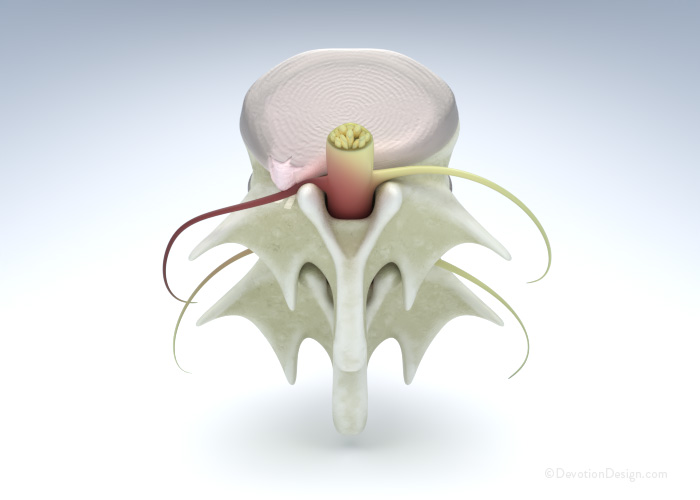
Pressure from the vertebrae can cause the gel-like center of a disc to bulge or herniate through a weakness in its outer wall. When a herniated disc occurs in the lower back, it may press on or irritate a nerve root that contributes to the sciatic nerve.
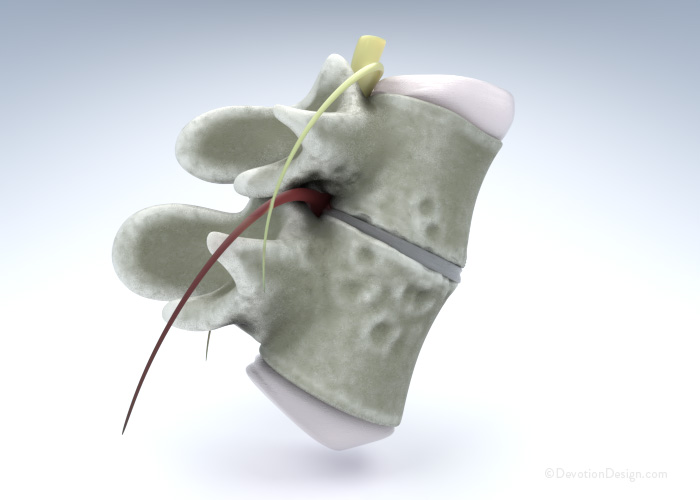
Degenerative disc disease is the wear down of discs between the vertebrae of the spine. As disc height decreases, nerve passageways may become smaller, which can increase pressure on the sciatic nerve.
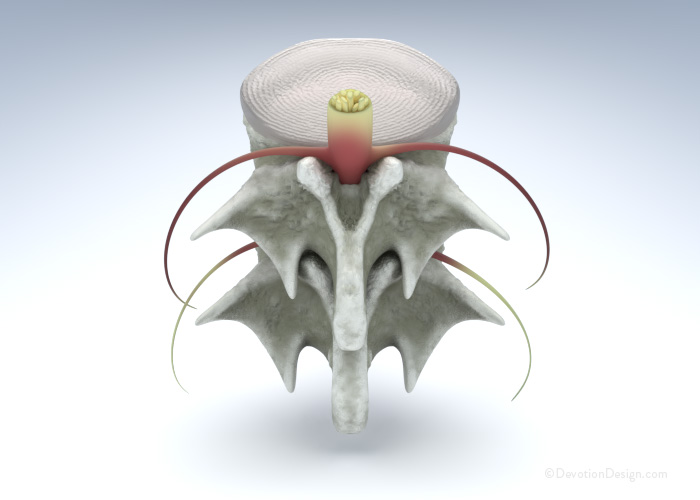
Spinal stenosis is the abnormal narrowing of the spinal canal. This narrowing reduces the available space for the spinal cord and nerves and may pinch or irritate nerve roots associated with sciatic nerve pain.
Positive Health and Wellness provides advanced non-invasive care for patients throughout Amherst, Buffalo, Williamsville, Tonawanda, and surrounding Western New York communities. Dr. John Zilliox focuses on helping patients understand the source of their pain and choose conservative treatment options whenever appropriate.
If your sciatica is related to a herniated disc, bulging disc, spinal stenosis, or chronic lower back condition, you may also benefit from learning more about our herniated and bulging disc treatment, chiropractic care, or spinal decompression options.
The American College of Physicians strongly advises against the use of opioids to relieve back pain.
Sciatica is pain caused by irritation, compression, or inflammation of the sciatic nerve. It may cause lower back pain, buttock pain, leg pain, numbness, tingling, burning, or weakness.
Sciatic nerve pain may be caused by a herniated disc, bulging disc, degenerative disc disease, spinal stenosis, joint degeneration, inflammation, or pressure on the nerve roots in the lower back.
Yes. A herniated disc in the lower back may press on or irritate a nerve root that contributes to the sciatic nerve, causing pain to travel into the buttock, leg, calf, or foot.
Many patients seek non-surgical treatment for sciatica. Conservative options may include spinal decompression, chiropractic care, cold laser therapy, therapeutic exercise, and other non-invasive therapies.
If sciatic nerve pain is limiting your mobility, sleep, work, or daily activities, contact Positive Health and Wellness today. Dr. John Zilliox can evaluate your symptoms and explain your non-invasive treatment options.
©Positive Health and Wellness. All Rights Reserved. | Legal Notes | Privacy Policy