
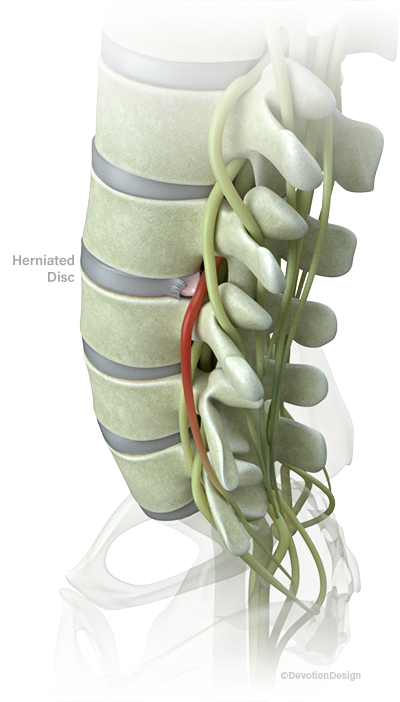
A herniated disc is an injury to the cushioning tissue between the vertebrae of the spine. These discs act like shock absorbers, helping the spine bend, move, and absorb pressure. When the outer layer of a disc weakens or tears, the softer inner material may push outward and irritate nearby spinal nerves. This can lead to back pain, neck pain, radiating arm or leg pain, numbness, tingling, or muscle weakness.
At Positive Health and Wellness in Amherst, NY, Dr. John Zilliox provides non-surgical treatment options for patients suffering from herniated discs, bulging discs, sciatica, and nerve-related pain. The goal is to identify the source of the problem and provide conservative, drug-free care designed to help relieve pressure, improve mobility, and support the body's natural healing process.
A disc herniation occurs when the inner portion of an intervertebral disc pushes through the outer disc wall. This may happen because of sudden trauma, repetitive strain, poor posture, lifting injuries, age-related degeneration, or long-term spinal stress. Herniated discs are most common in the lower back, although they may also occur in the neck.
Where symptoms are felt depends on the location of the disc injury and the nerve being affected. A herniated disc in the lower back may cause symptoms into the buttock, thigh, calf, or foot. A herniated disc in the neck may cause symptoms into the shoulder, arm, hand, or fingers.
Symptoms can vary from mild irritation to severe, disabling pain. In many cases, herniated disc pain affects one side of the body more than the other because the disc material places pressure on a specific nerve root.
A bulging disc is different from a herniated disc. With a bulging disc, the outer layers of the disc are usually still intact, but the disc expands outward beyond its normal position. This protrusion may narrow the space around nearby nerves and contribute to back pain, neck pain, or radiating symptoms.
A herniated disc is often a further progression of a disc protrusion. In a herniation, the outer fibers of the disc are damaged enough that the inner disc material can push through. Both conditions can cause pain when they create inflammation or pressure around the spinal nerves.
Disc problems can develop gradually or occur suddenly. Many people experience symptoms after years of repetitive spinal stress, while others notice pain after a lifting injury, fall, car accident, or athletic strain.
Many patients want to avoid surgery, injections, and long-term dependence on pain medication whenever possible. Positive Health and Wellness provides non-invasive treatment options that may help reduce disc-related nerve pressure and support better spinal function.
Depending on your condition, Dr. Zilliox may recommend conservative care options such as spinal decompression therapy, chiropractic care, therapeutic exercises, soft tissue therapies, or other advanced non-invasive therapies. The right treatment plan depends on your symptoms, examination findings, and personal health goals.
Non-surgical disc care is designed to reduce stress on irritated spinal structures, improve mobility, and help the body function more efficiently. For some patients, gentle decompression-based care may help create a better healing environment around the injured disc and affected nerve.
You should consider scheduling a consultation if your pain is persistent, recurring, or getting worse. Symptoms that travel into the arms or legs, numbness, tingling, or weakness may indicate nerve involvement and should not be ignored.
If you have already been diagnosed with a herniated or bulging disc and are looking for a non-surgical treatment option, Dr. Zilliox can evaluate your condition and explain whether conservative care may be appropriate.
Dr. John Zilliox and the team at Positive Health and Wellness focus on advanced, non-invasive health care for patients throughout Amherst, Buffalo, Williamsville, Tonawanda, and surrounding Western New York communities. The office provides personalized care for patients experiencing chronic back pain, neck pain, sciatica, nerve irritation, and other painful conditions.
The goal is not simply to mask pain, but to better understand the cause of the symptoms and create a care plan that supports long-term improvement. Patients receive clear explanations, individualized recommendations, and treatment options designed to help them move better, feel better, and return to a more active lifestyle.
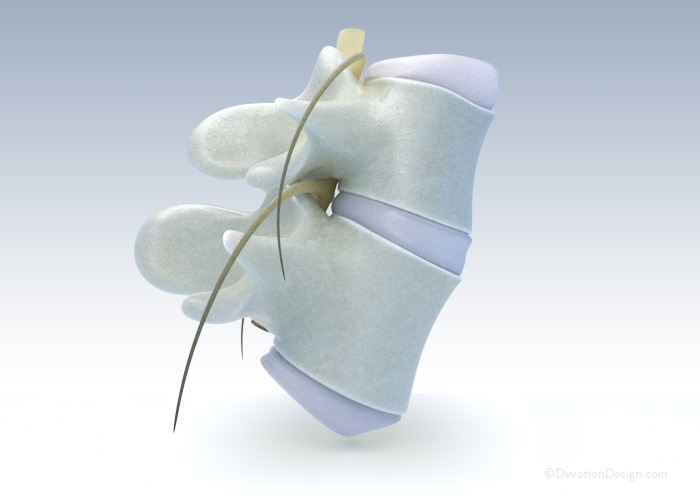
An intervertebral disc lies between adjacent vertebrae in the spine. Each disc helps absorb shock, allows slight movement between vertebrae, and supports normal spinal flexibility.
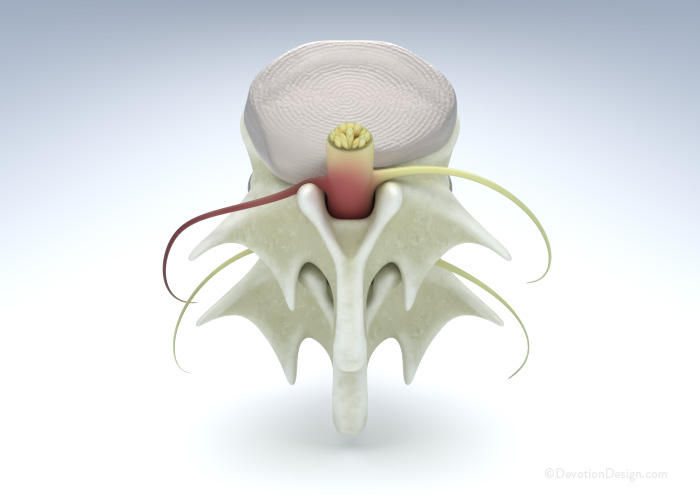
A bulging disc occurs when the outer layers of the intervertebral disc remain intact but extend outward when the disc is under pressure. This may irritate nearby nerves and cause pain.
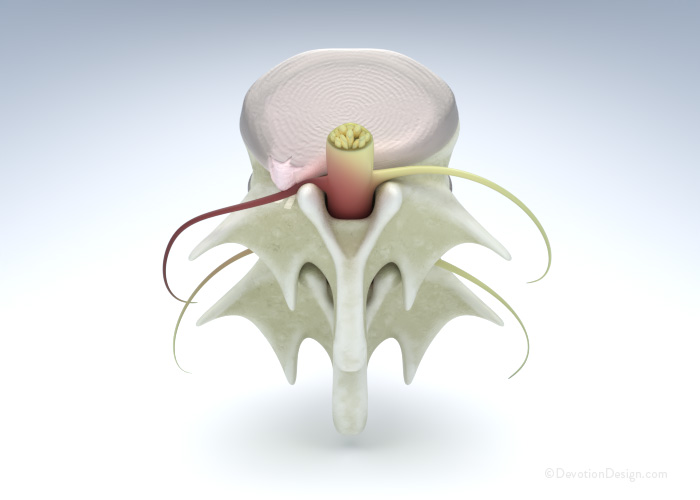
When a tear in the outer fibrous ring allows the soft inner disc material to push outward, the disc is considered herniated. This can create inflammation and nerve-related pain.
The American College of Physicians strongly advises against the use of opioids to relieve back pain.
A bulging disc usually means the disc extends outward while the outer disc wall remains mostly intact. A herniated disc occurs when the inner disc material pushes through a tear in the outer disc wall. Both conditions may irritate nearby nerves and cause pain, numbness, tingling, or weakness.
Yes. When a herniated disc in the lower back irritates or compresses a nerve root, pain may travel into the buttock, thigh, calf, or foot. This radiating leg pain is commonly referred to as sciatica.
Many patients improve with conservative care, although each case is different. Non-surgical options may include spinal decompression, chiropractic care, therapeutic exercise, and other drug-free therapies designed to reduce pressure, improve mobility, and support healing.
You should seek care if back or neck pain persists, worsens, radiates into an arm or leg, or is accompanied by numbness, tingling, or weakness. A consultation can help determine whether a herniated or bulging disc may be contributing to your symptoms.
If you are experiencing back pain, neck pain, sciatica, numbness, tingling, or symptoms related to a herniated or bulging disc, contact Positive Health and Wellness today. Dr. John Zilliox can evaluate your condition and explain your non-surgical treatment options.
©Positive Health and Wellness. All Rights Reserved. | Legal Notes | Privacy Policy